
What to Do in the First 24 Hours After Flood Damage in Fort Lauderdale, Florida
This page is for Fort Lauderdale and Broward County homeowners dealing with flood water in their home who need clear, step-by-step guidance on safety, documentation, and starting an insurance claim. In plain language, it explains what to do in the first 24 hours and how Triumph Consulting’s Florida public adjusters can help you get paid fairly.
Skip to Flood Damage Answers
- What should I do immediately after my house floods in Fort Lauderdale?
- Is my home safe to enter after flood water damage in Broward County?
- How soon do I need to report a flood damage claim to my insurance company in Florida?
- What photos and videos should I take after a flood in my home?
- Should I start cleaning up flood water before the insurance adjuster comes?
- What damaged items should I save after a flood for my insurance claim?
- Does my homeowners policy or flood policy pay for this damage in Fort Lauderdale?
- What happens if I wait too long to report a flood damage claim in Florida?
- How do I protect my family from mold after a flood in Southeast Florida?
- Can a Florida public adjuster help if my flood claim is delayed, denied, or underpaid?
- What if I already started repairs before talking to the insurance company?
- How do I handle both a flood insurance claim and a homeowners water damage claim?
- What are common insurance company tactics on flood damage claims in Broward County?
- When should I call Triumph Consulting for help with a flood damage claim?
- What documents and information should I gather before calling 954-592-7162?
How flood damage claims work in Florida in the first 24 hours
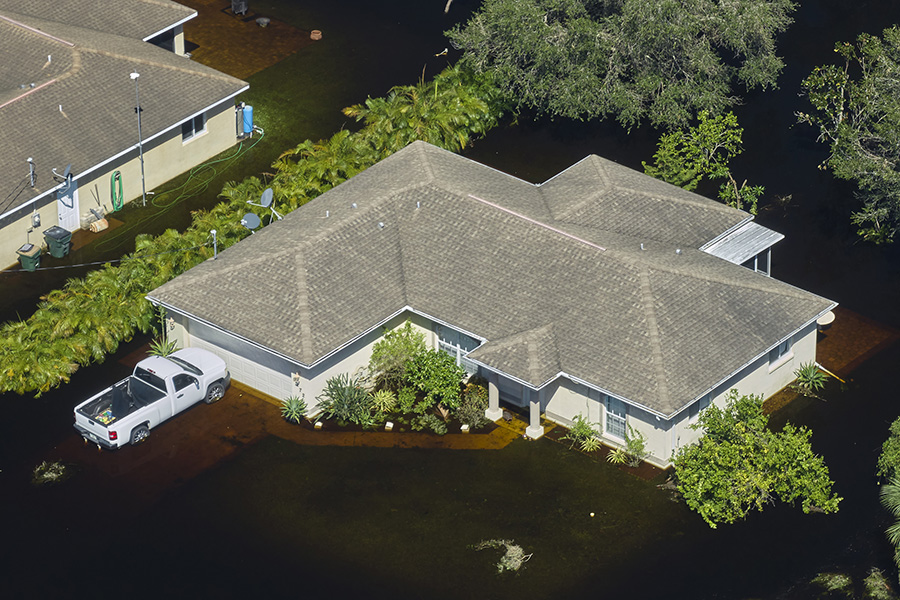
When flood water enters your home in Fort Lauderdale, the first 24 hours are critical for both safety and your future insurance claim. Flood claims can involve a separate flood insurance policy and sometimes a homeowners policy if there is related wind or other covered damage, so getting the facts straight early helps avoid costly mistakes.
Florida policies generally require you to give prompt notice of loss, which means you should report the flood damage as soon as it is safe to do so, not weeks later. Insurance companies will later look at your timing, your photos, and your repair receipts to decide how much they pay, and any gaps or delays can give them an excuse to delay, deny, or underpay the claim.
In summary, the first 24 hours are about staying safe, documenting everything, and opening your claim quickly so you do not lose important rights under your policy.
What should I do immediately after my house floods in Fort Lauderdale?
Once the water recedes enough that local officials say it is safe, your first steps are simple: protect your family, then protect your claim. Make sure electricity is off if water reached outlets, avoid walking through deep or moving water, and keep children and pets away from flooded areas until you know it is safe.
As soon as you can safely use your phone, call your insurance company to report the loss and write down the claim number, the date, and the name of every person you speak with. At the same time, you can contact Triumph Consulting at 954-592-7162, email claims@wegetyoupaid.com, or use the contact form on the Triumph website to get a free claim review so a Florida public adjuster can help guide these early decisions.
In summary, focus first on safety, then immediately report the loss and start getting professional help so you do not miss important steps.
Is my home safe to enter after flood water damage in Broward County?
Flood water in Fort Lauderdale often carries contamination, debris, and hidden electrical hazards, so you should not rush back into the home until authorities say it is safe. Even shallow water can hide sharp objects, uneven floors, or sections of drywall and ceilings weakened by saturation.
If you smell gas, see downed power lines, or notice major structural cracks, stay outside and call emergency services before doing anything else. When you do enter, wear protective shoes and gloves, avoid touching electrical panels or appliances that got wet, and keep a flashlight handy in case the power is out or unstable.
In summary, treat every flooded home as unsafe until a professional or local authority confirms otherwise.
How soon do I need to report a flood damage claim in Florida?
Most flood and homeowners policies require prompt notice, and flood programs typically expect you to report the claim as soon as reasonably possible, usually within days of the flood. Waiting weeks or months makes it easier for the insurance company to question what really happened or argue that later damage was not caused by the flood.
When you call, give a clear description of when the flood occurred, how the water entered the property, and what rooms were affected, but do not guess at the total dollar amount of the loss yet. At this same time, contacting Triumph Consulting gives you a local public adjuster who understands Broward County claims and can help you report the loss accurately without weakening your position later.
The takeaway is that same-day or next-day reporting is best, and having a public adjuster involved early helps protect your rights.
What photos and videos should I take after a flood in my home?
Your photos and videos are often the most powerful proof you have, especially once cleanup starts and damaged items are thrown away. Walk each room slowly and take wide shots first to show the overall damage, then close-ups of water lines on walls, buckled floors, wet furniture, and any visible mold or staining.
Make sure to capture serial numbers and brand labels on appliances, electronics, and major fixtures when possible, and photograph any damaged structural elements like cabinets, baseboards, and doors before they are removed. Keep these digital files backed up in more than one place, and share them with Triumph Consulting when requesting your free claim review so their team can help build a complete estimate.
The takeaway is that you cannot take too many photos, and organizing them early makes your claim stronger.
Should I start cleaning up flood water before the insurance adjuster comes?
Policies generally expect you to take reasonable steps to prevent further damage, which means you should start basic mitigation once it is safe even if the insurance adjuster has not arrived yet. For example, you can remove standing water, run fans or dehumidifiers if power is safe, and move undamaged belongings out of wet rooms to higher ground.
However, before throwing away damaged items, take clear pictures and, when practical, keep samples such as a section of wet carpet or a damaged cabinet door in case the insurance company questions the extent or cause of damage. Triumph Consulting can help you balance mitigation with documentation so you do not accidentally destroy evidence that supports your claim.
In summary, start mitigation promptly but document thoroughly and save key evidence before you discard it.
What damaged items should I save after a flood for my insurance claim?
After a flood, it is tempting to throw everything out quickly, but your claim will be stronger if you keep samples and records of major damaged items. Keep at least a portion of damaged flooring, drywall, cabinets, and baseboards, especially where there are clear water lines or mold growth.
For furniture and personal property, keep a list of each item with approximate age, purchase price, and any receipts you can find, along with photos showing the damage and the item in the room where it was used. When Triumph Consulting reviews your claim, these details help their team build a detailed, realistic estimate instead of accepting the insurance company’s low numbers.
The takeaway is that saving samples, receipts, and lists now can translate directly into a higher payout later.
Does my homeowners policy or flood policy pay for this damage in Fort Lauderdale?
In many Broward County neighborhoods, rising water from outside, such as street flooding or canal overflow, is typically covered under a separate flood insurance policy rather than a standard homeowners policy. On the other hand, sudden water damage from a broken pipe inside the home is more likely to fall under the homeowners or property policy, depending on specific exclusions and endorsements.
Some events involve both types of coverage, such as heavy rain and wind that damage the roof followed by flooding at ground level, which can trigger both a wind-related claim and a flood claim. Triumph Consulting’s Florida public adjusters are familiar with these overlapping coverages and can help you understand which policy should respond first and how to avoid gaps between them.
In summary, the type and source of the water often decide which policy pays, and having an expert review your policies helps prevent costly misunderstandings.
What happens if I wait too long to report a flood damage claim in Florida?
If you wait too long to notify your carrier, the insurance company may argue that the damage got worse because you did not act promptly, or that something other than the flood caused part of the loss. They may also question why there are no early photos or contractor reports and use that lack of documentation as a reason to reduce or deny payment.
In some cases, policies and flood programs set specific deadlines for filing a Proof of Loss, and missing those deadlines can severely limit your recovery. When Triumph Consulting gets involved early, their team helps you meet these time limits and keep a clear paper trail so your claim is harder to challenge.
The takeaway is that delay mostly helps the insurance company, so early reporting and documentation protect you.
How do I protect my family from mold after a flood in Southeast Florida?
Warm, humid South Florida conditions make mold grow quickly, sometimes within 24–48 hours after flood water enters a home. After documenting the damage, you should focus on drying the property by removing wet materials, running fans and dehumidifiers if safe, and opening windows when weather allows.
Because mold coverage varies widely between policies, it is important not to authorize major mold remediation work without understanding how your insurance handles it and whether you will be reimbursed. Triumph Consulting can review your policy, explain any mold limitations, and help you coordinate mitigation steps that protect health while strengthening your claim.
In summary, act quickly to dry the home and get expert advice so you limit both mold growth and coverage disputes.
Can a Florida public adjuster help if my flood claim is delayed, denied, or underpaid?
Florida public adjusters represent you, not the insurance company, and are licensed to help policyholders prepare, present, and negotiate property damage claims. If your carrier is delaying inspections, asking for endless documents, or offering far less than what it will actually cost to repair your home, a public adjuster steps in to push the claim forward.
Triumph Consulting has handled many flood and storm-related claims across Florida and is paid only when you recover funds. By calling 954-592-7162, emailing claims@wegetyoupaid.com, or filling out the online contact form, you can get a free claim review and a clear explanation of your options before accepting any low offer.
The takeaway is that a public adjuster levels the playing field when you feel outmatched by the insurance company.
Short Florida flood claim scenarios
Scenario 1: Flash flooding in a Fort Lauderdale neighborhood
A Fort Lauderdale homeowner returns from work to find street water rushing over the driveway and several inches of water in the living room and kitchen after an intense afternoon storm. The family shuts off power to the affected area, takes photos of the water line on the walls and furniture, and calls both their flood insurer and Triumph Consulting within hours.
The flood insurer initially suggests that only part of the flooring is covered and questions whether some of the damage was pre-existing, but the public adjuster documents subfloor damage, cabinet saturation, and baseboard warping to support a higher estimate. With complete documentation and negotiation, the homeowner receives enough funds to replace all damaged materials rather than only patching a small area.
The takeaway is that early photos and a detailed estimate from a public adjuster can turn a partial, low offer into a full repair settlement.
Scenario 2: Townhome flood during heavy South Florida rain
In western Broward County, a townhome community experiences several days of heavy rain that overloads nearby drainage, causing water to back up into ground-floor units. One owner reports the loss promptly but does not understand that the association’s master policy and their own flood or homeowners policy may share responsibility for different parts of the building and interior.
As the claim drags on, the carrier disputes who should pay to remove and replace soaked drywall and insulation, and the association points to policy exclusions. Triumph Consulting steps in, reviews the policies, and helps separate unit owner responsibilities from association responsibilities while building a comprehensive estimate that includes both structure and personal property.
In summary, complex multi-party claims benefit from a public adjuster who knows how to coordinate coverage between individual and association policies.
Scenario 3: Delayed report after a Southeast Florida flood
A homeowner in Broward County experiences minor flooding in a spare bedroom and garage and decides to clean it up alone without reporting it, assuming the damage is too small. Months later, they notice a strong odor and discover mold behind furniture and baseboards, with repairs now far more expensive than the original damage.
When they finally file a claim, the insurance company questions the cause, the timing, and the extent of the loss, pointing to the late notice and lack of early photos. After contacting Triumph Consulting, the homeowner learns how early reporting and documentation would have made the claim easier to prove and receives guidance on how to move forward, but some coverage limitations remain because of the delay.
The takeaway is that even “small” flood events should be documented and reported promptly so they do not turn into expensive, disputed claims later.
Quick reference table for the first 24 hours after flood damage
| Timeframe | Key Actions | Who Can Help |
|---|---|---|
| First 0–2 hours |
| Local emergency services; utility company. |
| First 2–12 hours |
| 954-592-7162 or claims@wegetyoupaid.com. |
| First 12–24 hours |
| Triumph Consulting public adjuster team. |