
How Your Cell Phone Can Save You Thousands This Hurricane Season 2025: Complete Documentation Guide
Every hurricane season, homeowners possess the most powerful tool right in their pocket to protect their financial interests: their smartphone. Yet, most Florida residents remain unaware of this simple yet crucial action that can save them thousands of dollars in insurance disputes. With hurricane season 2025 approaching, now is the perfect time to learn how your cell phone can become your most valuable asset in documenting potential storm damage.
Why Document Your Property Before Hurricane Season Hits
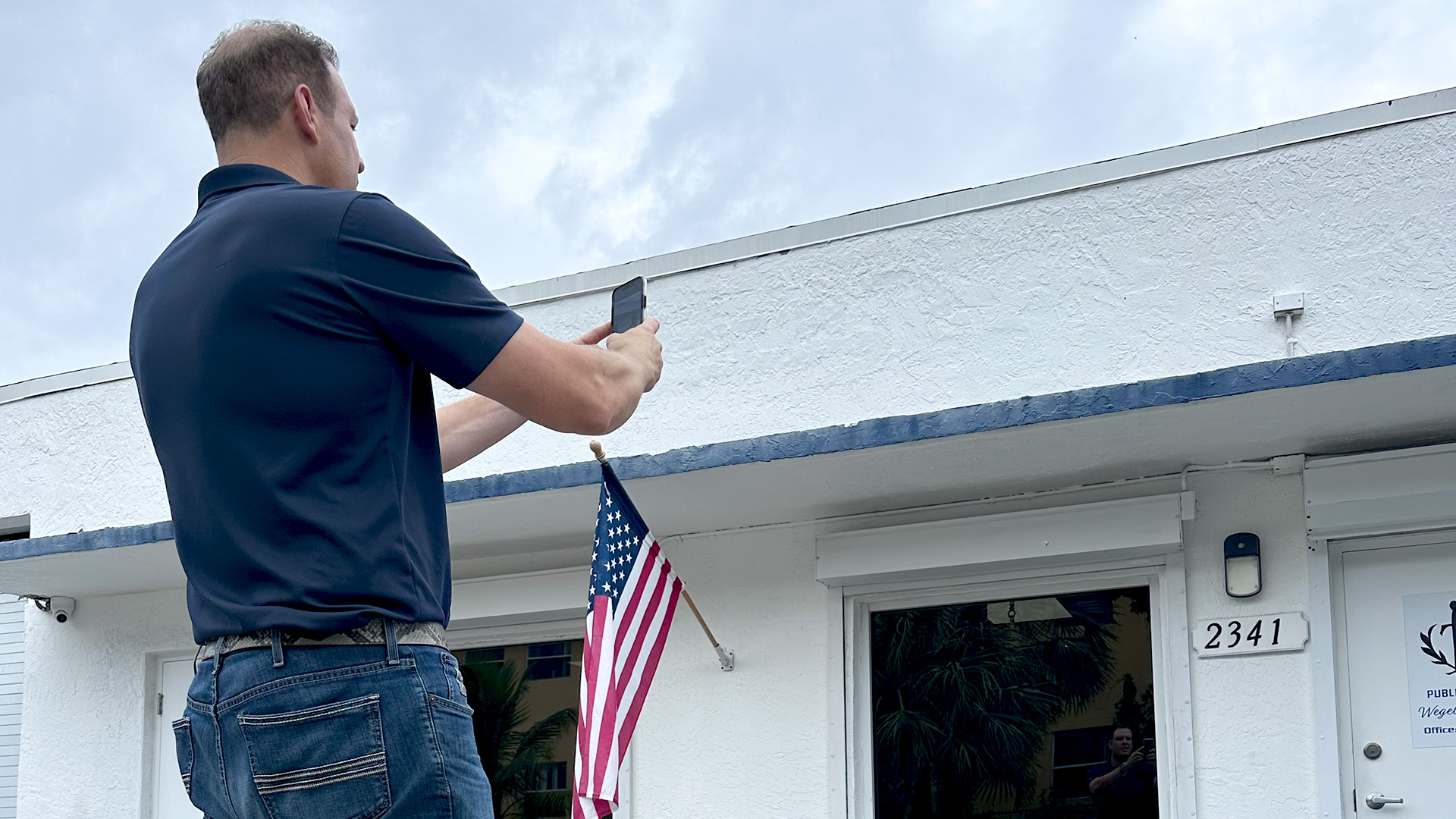
The concept is straightforward but often overlooked: use your cell phone to take comprehensive pictures and videos of your home before a hurricane strikes. This pre-storm documentation serves as irrefutable evidence of your property’s condition, making it nearly impossible for insurance companies to dispute legitimate claims.
After a hurricane damages your property, you cannot rewind time to capture pre-storm conditions. The insurance company typically does not provide their own before-and-after photographs, placing the burden of proof squarely on your shoulders. This is where your smartphone becomes invaluable – it’s your personal evidence collector that can protect your financial interests.
The Insurance Reality in 2025
Insurance companies in 2025 have become increasingly sophisticated in their claim evaluation processes. They utilize advanced technology, including drone surveys and AI-powered damage assessment tools, to scrutinize claims more thoroughly than ever before. Having your own comprehensive documentation levels the playing field and provides you with the evidence needed to support your claim effectively.
The burden of proving how damage was caused falls entirely on you as the homeowner. While insurance companies have a duty to honor valid claims, they won’t make the process easy. Your smartphone footage of pre-hurricane conditions becomes undeniable evidence that strengthens your position significantly.
What to Photograph and Video: Complete Documentation Checklist
Exterior Documentation
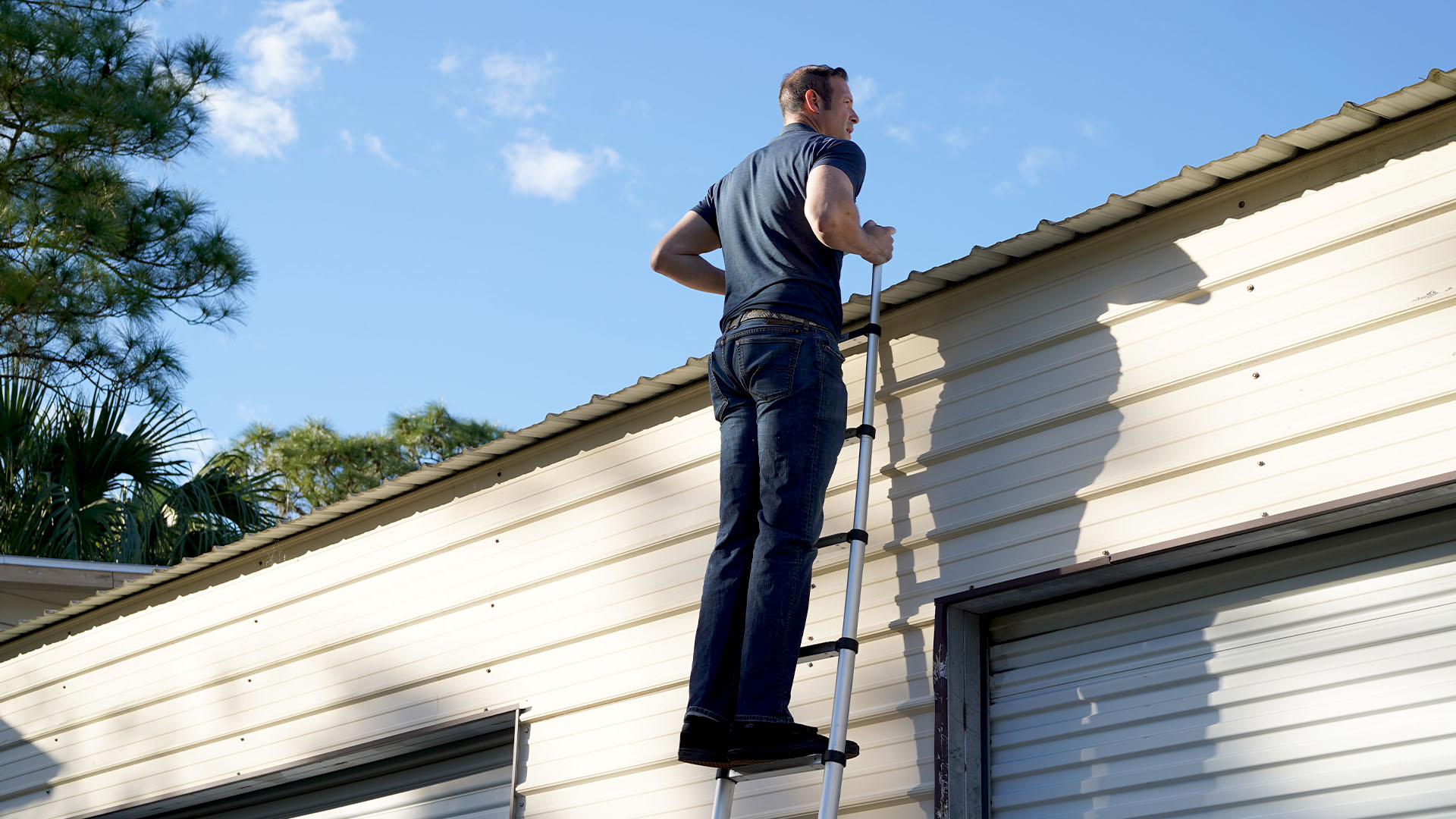
- Roof from multiple angles – Use a ladder safely or photograph from neighboring properties with permission
- Siding and exterior walls – Document all sides of your home
- Windows and doors – Including frames, screens, and hardware
- Gutters and downspouts – Often overlooked but frequently damaged
- Outdoor structures – Sheds, garages, fences, and landscaping
- Pool areas and equipment – Screens, pumps, and surrounding structures
- HVAC units – External components and connections
Interior Documentation
- Each room from multiple angles – Ceiling, walls, and floors
- Personal belongings – High-value items, electronics, and furniture
- Water damage prone areas – Basements, attics, and areas near windows
- Appliances and fixtures – Serial numbers and current condition
- Electrical systems – Panels, outlets, and visible wiring
Professional Documentation Tips
When documenting your property, think like a professional adjuster. Take wide shots to establish context, then zoom in for detailed views of specific areas. Ensure your photos are well-lit and in focus. If possible, include timestamps and GPS coordinates, which most modern smartphones automatically embed in photo metadata.
Focus on Roof Damage Documentation: The #1 Hurricane Claim
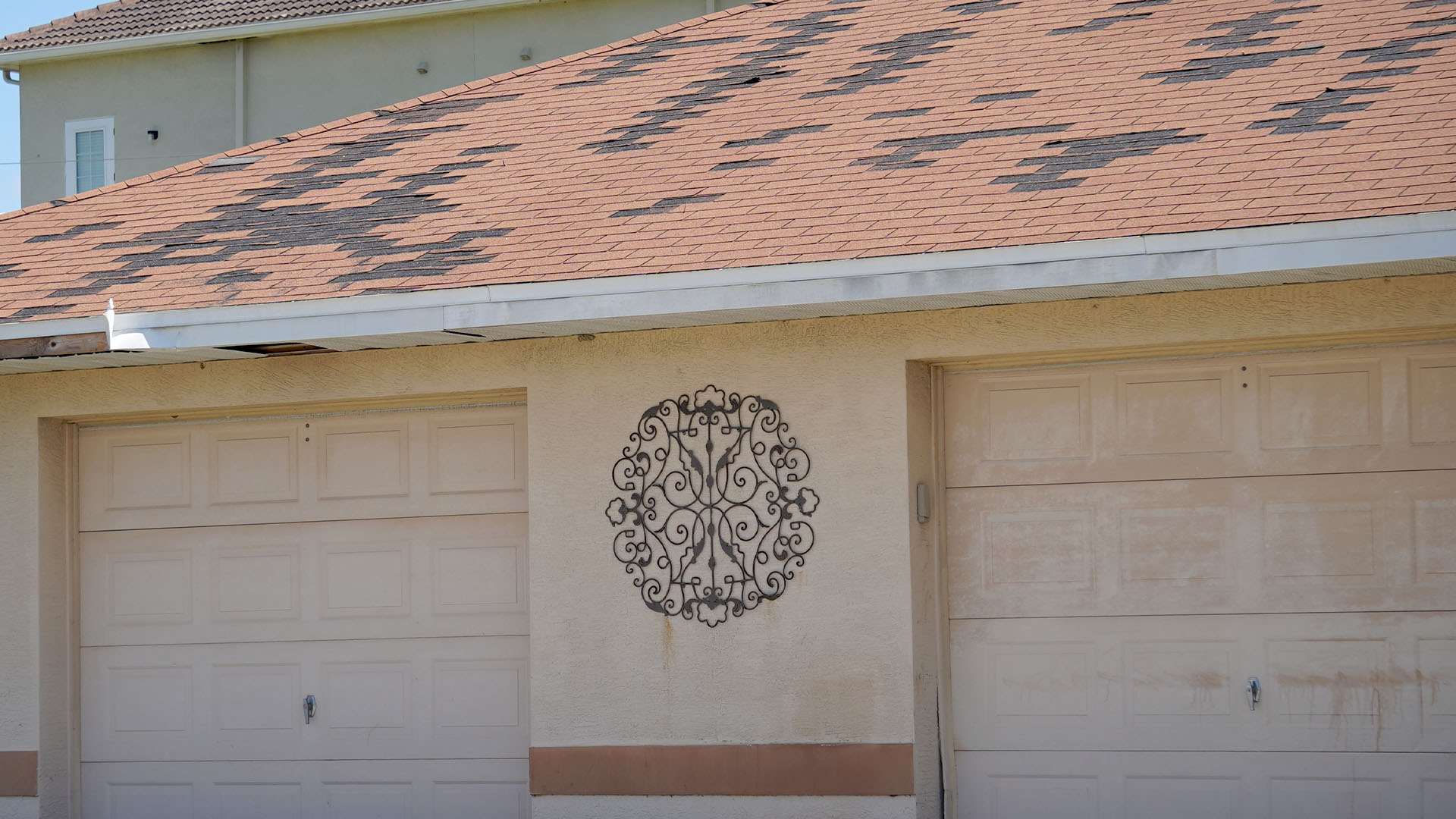
Roof damage consistently ranks as the number one type of damage reported by homeowners following hurricanes. In Florida, where tile roofs are common, replacements can quickly reach $30,000 to $60,000 or more, making thorough documentation absolutely critical.
Why Roof Documentation Is Crucial
Roof damage claims face the highest scrutiny from insurance companies because they represent the largest potential payouts. Insurance adjusters often argue that roof damage existed before the storm, especially with older roofs. Having clear, timestamped photos of your roof’s pre-storm condition eliminates this common dispute.
Safe Roof Documentation Methods
Important Safety Warning: You should never stand or walk on your roof for documentation purposes. Not only is this dangerous, but getting on your roof can result in damage that your insurance policy may not cover, as it could be considered homeowner-caused damage.
Safe Alternatives for Roof Documentation:
- Ground-level photography – Use your phone’s zoom function and take photos from your yard
- Second-story windows – Photograph from upper-floor windows if available
- Ladder photography – Use a sturdy ladder with a spotter, but don’t climb onto the roof
- Professional documentation services – Contact public adjusters like Triumph Consulting who have proper equipment and training
- Drone photography – If you have access to a drone or professional drone services
Safety Considerations When Documenting Your Property
Personal Safety First
While documentation is important, your safety should never be compromised. Avoid taking unnecessary risks when photographing your property. High winds, rain, and debris make hurricane conditions extremely dangerous for any outdoor photography attempts.
When to Document
- Well before hurricane season – The best time is during calm, clear weather
- When a hurricane watch is issued – Final documentation before securing your property
- Never during the storm – Absolutely avoid any outdoor documentation during hurricane conditions
- Immediately after the storm passes – Document damage as soon as it’s safe to do so
Professional Assistance
For comprehensive roof documentation and complex insurance claims, consider working with experienced public adjusters. Companies like Triumph Consulting specialize in hurricane damage assessment and can provide professional documentation services that maximize your claim potential while ensuring your safety.
Best Practices for Hurricane Documentation in 2025
Technical Best Practices
- Use high-resolution settings – Ensure your phone camera is set to maximum quality
- Enable location services – GPS coordinates provide valuable metadata
- Take multiple shots – Capture each area from different angles and distances
- Include reference objects – Use coins, rulers, or common objects for scale
- Record video walkthroughs – Provide narration describing what you’re documenting
- Check lighting conditions – Avoid shadows and glare that might obscure details
Organization and Storage
- Create dedicated folders – Organize photos by date and location
- Cloud backup immediately – Upload to Google Drive, iCloud, or Dropbox
- Multiple storage locations – Don’t rely on a single backup method
- Physical copies – Print important photos for physical records
- Inventory lists – Create detailed lists of photographed items
Post-Hurricane Documentation Steps
Immediate Actions
Once the hurricane has passed and it’s safe to assess your property, your documentation efforts shift to capturing the damage. This post-storm documentation should mirror your pre-storm efforts, allowing for direct comparison.
Damage Documentation Protocol
- Safety first – Ensure the area is safe before beginning documentation
- Overall property shots – Start with wide shots showing the general condition
- Detailed damage photos – Focus on specific areas of damage
- Compare with pre-storm photos – Use your before photos as a reference
- Document temporary repairs – Photograph any emergency repairs or tarping
- Note time and date – Ensure timestamps are visible or noted
Insurance Claim Tips for 2025
Submitting Your Documentation
When submitting your claim, present your documentation in a professional, organized manner. Create a clear timeline showing before and after conditions, and provide written explanations for each set of photos.
What Insurance Companies Look For
Insurance adjusters in 2025 are trained to identify several key factors in claims:
- Pre-existing damage – Your before photos help eliminate this concern
- Cause of damage – Clear evidence linking damage to the hurricane
- Scope of damage – Comprehensive documentation of all affected areas
- Repair necessity – Evidence that repairs are needed, not just cosmetic
Common Documentation Mistakes
- Insufficient pre-storm photos – The most critical error
- Poor photo quality – Blurry or poorly lit images
- Limited angles – Not showing the full scope of damage
- No scale reference – Making it difficult to assess damage size
- Delayed documentation – Waiting too long after the storm
Technology Tools and Apps for Enhanced Documentation
Smartphone Apps for Property Documentation
- Insurance company apps – Most major insurers now offer claim filing apps
- Property documentation apps – Specialized apps for home inventory
- Measurement apps – Use your phone to measure damage areas
- GPS photo apps – Ensure location data is embedded in photos
Advanced Documentation Techniques
Modern smartphones offer advanced features that can enhance your documentation efforts:
- HDR photography – Captures better detail in high-contrast situations
- Panoramic shots – Useful for capturing large areas of damage
- Time-lapse videos – Document the progression of storm preparation
- Voice memos – Record detailed descriptions while photographing
Legal Considerations and Your Rights
Understanding Your Policy
Before hurricane season begins, review your insurance policy carefully. Understanding your coverage limits, deductibles, and specific exclusions will help you document the right elements of your property.
Documentation as Legal Evidence
Your smartphone documentation can serve as legal evidence in insurance disputes. Ensure your photos and videos are authentic and unaltered. Most smartphones automatically embed metadata that can verify when and where photos were taken.
When to Seek Professional Help
Consider consulting with a public adjuster if:
- Your claim is denied or underpaid
- The damage is extensive or complex
- You’re uncomfortable handling the claim process
- The insurance company is requesting excessive documentation
Frequently Asked Questions
Q: How far in advance should I document my property before hurricane season?
A: The best time to document your property is during calm, clear weather conditions, ideally several weeks before hurricane season begins. This allows you to capture your property in its best condition and gives you time to organize and backup your documentation.
Q: What if I forget to document my property before a hurricane hits?
A: While pre-storm documentation is ideal, you can still document your property when a hurricane watch is issued, provided it’s safe to do so. Even partial documentation is better than none. Focus on the most critical areas like your roof and any pre-existing damage.
Q: Can I use my smartphone to document damage during the storm?
A: Absolutely not. Never attempt to document damage during a hurricane. The conditions are extremely dangerous, and you could put yourself at serious risk. Wait until the storm has completely passed and conditions are safe.
Q: How many photos should I take of each area?
A: Take multiple photos of each area from different angles and distances. A good rule of thumb is to take at least 3-5 photos per room or exterior area – wide shots for context and close-ups for detail. Storage is cheap, but missing documentation is expensive.
Q: Should I hire a professional photographer for documentation?
A: While professional photography can be beneficial, your smartphone is perfectly adequate for insurance documentation purposes. The key is thoroughness and organization, not professional-quality photography. Save your money for potential repairs instead.
Q: What if my insurance company disputes my smartphone photos?
A: Smartphone photos are widely accepted by insurance companies as valid documentation. The embedded metadata (time, date, location) helps verify authenticity. If there are disputes, a public adjuster can help present your evidence effectively.
Q: How long should I keep my hurricane documentation?
A: Keep your documentation for at least 7 years after filing any claims. Some policies have extended timeframes for certain types of damage, and having long-term documentation can be valuable for future claims or property sales.
Q: Can I document my neighbor’s property damage to help them?
A: While you can offer to help, it’s best for each homeowner to document their own property. Insurance companies prefer documentation from the actual policyholder. However, you can share techniques and tips with neighbors.
Q: What should I do if my phone gets damaged during the hurricane?
A: This is why cloud backup is crucial. If your photos are automatically backed up to cloud services like Google Photos, iCloud, or Dropbox, you can access them from any device. Also consider having physical copies of the most important photos stored in a waterproof container.
Q: Do I need special apps for hurricane documentation?
A: Your phone’s built-in camera app is sufficient for basic documentation. However, some insurance companies offer specialized apps that can streamline the claim filing process. Check with your insurance provider to see if they have a recommended app.
Conclusion: Your Smartphone as Your Hurricane Insurance Shield
Your smartphone represents one of the most powerful tools available for protecting your financial interests during hurricane season. By taking the time to thoroughly document your property before and after storms, you create an undeniable record that can save you thousands of dollars in disputed claims.
Remember, the few hours you spend documenting your property can potentially save you months of disputes and thousands of dollars in claim adjustments. Don’t let hurricane season catch you unprepared – start documenting your property today.
For professional assistance with hurricane damage claims and comprehensive property documentation, contact Triumph Consulting at 954-592-7162 or visit WeGetYouPaid.com. Our experienced public adjusters can help ensure you receive the maximum compensation for your hurricane damage claims.
Follow us on social media for more hurricane preparedness tips: Visit us on Instagram!