
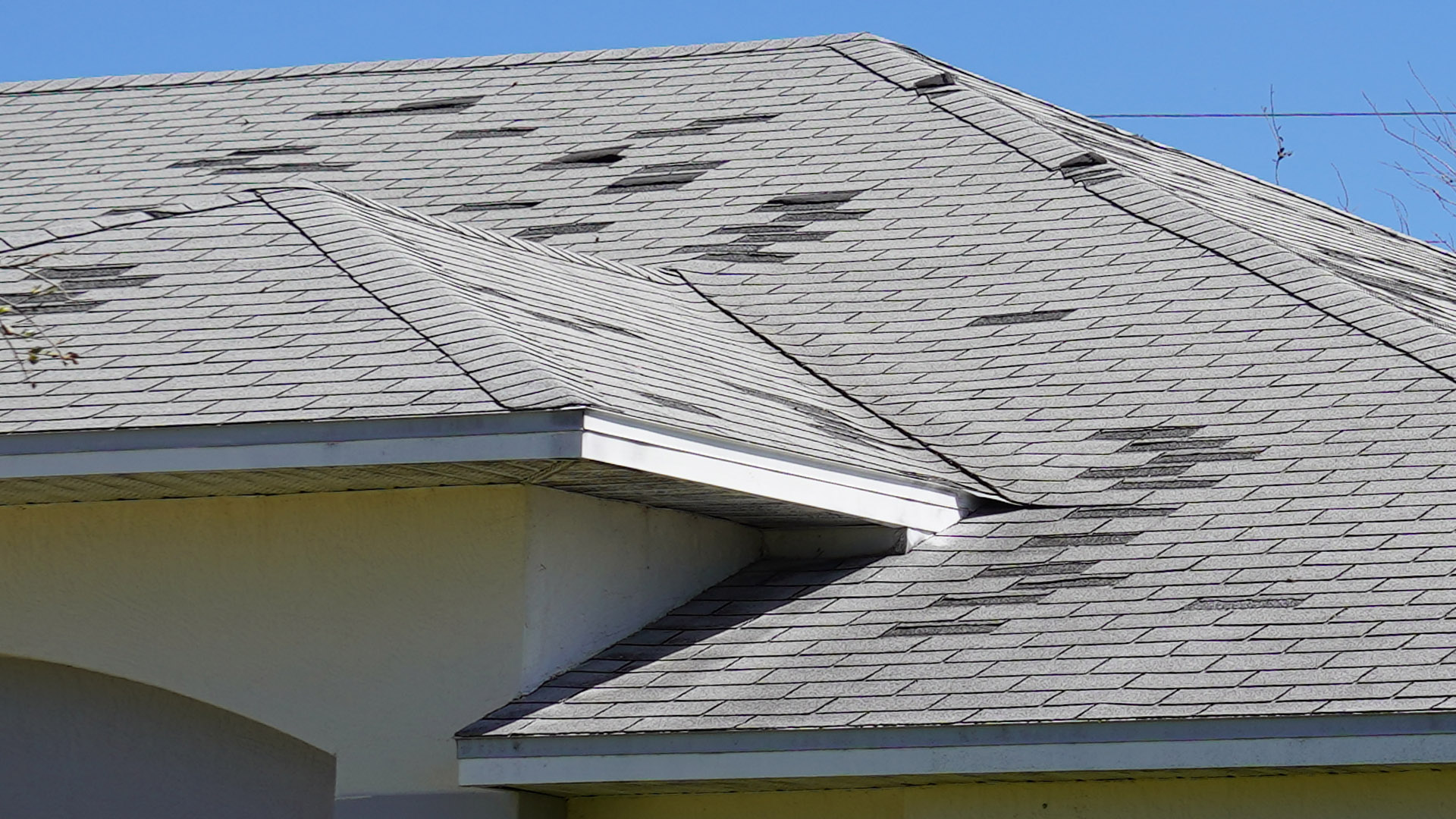
What Can You Do If Your Home Is Damaged in a Storm?
Storm damage in Florida can be devastating — but knowing what to do next can protect your safety, preserve your insurance rights, and speed up your recovery. In this comprehensive guide, Triumph Consulting shares what to do immediately after storm damage, how to deal with your insurance company, and how a public adjuster can help you get the compensation you deserve.
Jump to Section:
- 1. Ensure Safety First
- 2. Document the Damage Thoroughly
- 3. Mitigate Further Damage
- 4. Review Your Insurance Policy
- 5. File Your Insurance Claim Promptly
- 6. Understand the Role of Public Adjusters
- 7. Common Challenges in Storm Damage Claims
- 8. How Triumph Consulting Can Assist You
- 9. Frequently Asked Questions
1. Ensure Safety First
Your safety and that of your loved ones is the top priority after a storm.
- Watch for hazards: Stay clear of downed power lines, gas leaks, or structural collapse. If your home is unsafe, evacuate and call emergency services.
- Avoid floodwaters: Standing water can hide sharp objects, sinkholes, or electrical hazards.
- Use protective gear: Wear boots, gloves, and a mask while inspecting damage to avoid injury or exposure to mold and debris.
2. Document the Damage Thoroughly
Thorough documentation is key to a successful insurance claim.
- Take photos and videos: Capture every room and angle. Show structural damage, broken windows, roof issues, flooding, and damaged possessions.
- Create a loss inventory: List all damaged items, including approximate values and receipts if available.
- Keep all receipts: Save documentation for temporary housing, cleanup, food, or emergency services.
3. Mitigate Further Damage
Your policy likely requires you to prevent additional damage, or it may not cover all losses.
- Make temporary repairs: Cover roof openings, board up windows, and secure doors with tarps or plywood.
- Dry out wet areas: Use fans and dehumidifiers to reduce the risk of mold growth.
- Document your efforts: Photograph and keep receipts for all temporary fixes.
4. Review Your Insurance Policy
Before filing a claim, it’s critical to understand your policy details.
- Understand what’s covered: Most homeowners’ policies cover wind and hail but not flooding (which requires a separate NFIP policy).
- Know your deductibles: In Florida, a hurricane deductible may apply and is often a percentage of your home’s insured value.
- Check ALE coverage: Many policies include Additional Living Expenses (ALE) to cover hotel stays and meals if your home is unlivable.
5. File Your Insurance Claim Promptly
Timing is everything in storm-related insurance claims.
- Report the loss immediately: Call your insurer or file online. Provide a general description and be honest, but avoid admitting fault.
- Schedule the adjuster’s inspection: Be present and prepared with documentation. Walk them through all damaged areas.
- Track all communication: Keep a log of names, dates, and conversations with your insurer.
6. Understand the Role of Public Adjusters
Unlike the insurance company’s adjuster, a public adjuster works for YOU.
- We represent your interests: Public adjusters level the playing field and ensure you’re not shortchanged.
- We interpret policy language: Complex exclusions and endorsements can limit your payout — we help make sense of it.
- We maximize your settlement: By presenting a full scope of the damage, we often recover significantly more than the insurer’s first offer.
7. Common Challenges in Storm Damage Claims
Storm claims in Florida are frequently disputed. Be prepared for the following issues:
- Underpaid claims: Insurers often approve partial repairs instead of full restoration.
- Delays: After a storm, insurance companies may take weeks or months to respond due to high claim volume.
- Denials: Some claims are denied for alleged maintenance neglect or unclear causation (wind vs. rain vs. flood).
- Lowball estimates: Insurance adjusters may not account for all damage or real-world construction costs.
8. How Triumph Consulting Can Assist You
We’re Florida’s trusted public adjuster for storm damage insurance claims. Here’s how we help:
- We manage the claim from start to finish: From documentation to negotiation, you’re never alone in the process.
- We provide expert inspections: We spot damage that insurance adjusters may overlook, especially hidden water intrusion or roofing issues.
- We negotiate aggressively: Our experience helps us challenge underpayments and denial tactics used by insurers.
- No upfront cost: We work on a contingency fee basis — no recovery, no fee.
If your claim was denied or underpaid, don’t give up. Call Triumph Consulting for a free consultation and let us fight for the payout you deserve.
9. Frequently Asked Questions
What should I do immediately after storm damage occurs?
Ensure your safety first. Then document all visible damage, make temporary repairs to prevent further loss, and contact your insurance company to report the claim.
How long do I have to file an insurance claim in Florida?
For hurricane-related claims, Florida law allows up to three years from the date of the storm. However, it’s strongly recommended to file as soon as possible.
Will my insurance cover temporary housing?
Most homeowners’ policies include Additional Living Expense (ALE) coverage to pay for hotel stays, meals, and relocation if your home is uninhabitable due to storm damage.
Can I make emergency repairs before the adjuster arrives?
Yes. You’re expected to prevent further damage. Just document everything with photos and save all receipts so you can request reimbursement.
Why should I hire a public adjuster?
A public adjuster works exclusively for you, not your insurance company. We ensure your claim is fairly assessed, properly documented, and maximized to cover the full scope of your loss.
Need Help With a Storm Damage Claim?
If your Florida home was damaged in a storm, let Triumph Consulting handle your insurance claim. We’ve helped thousands of homeowners recover the compensation they need to rebuild — and we’re ready to help you too.