
CLAIM PROCESS
What You Must Know About Wind Damage Claims: Florida Homeowners’ Essential Guide
This page explains everything Florida homeowners need to know about wind damage insurance claims after storms and hurricanes—including the step-by-step claims process, tips for working with public adjusters, and answers to the most common questions about wind damage claims.
What Immediate Steps Should I Take After Wind Damage?
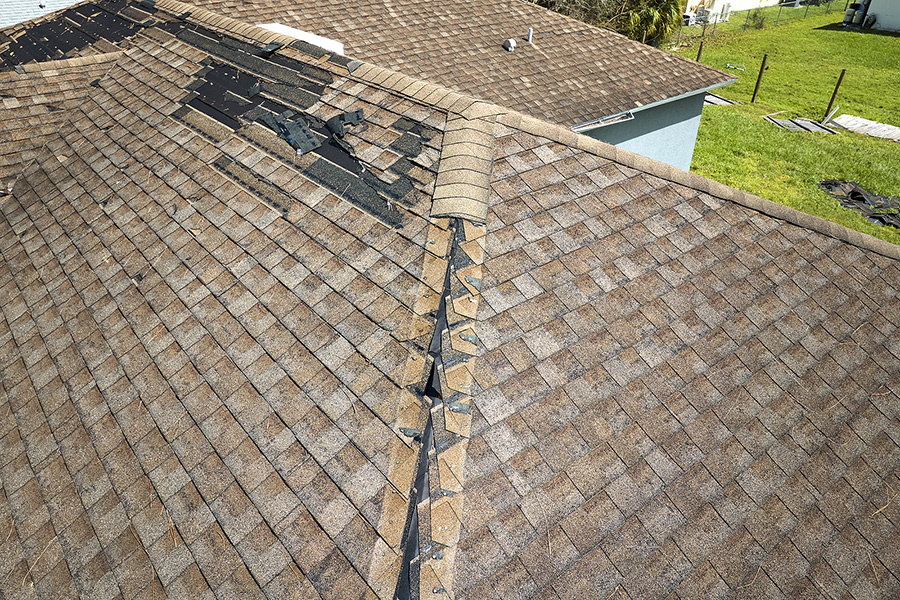
When strong winds strike Florida, the aftermath can be chaotic. Take immediate action to protect your home and your right to file a successful insurance claim:
- Document all damage with photos and videos from multiple angles, paying close attention to roof shingles, windows, siding, and interior water stains.
- Write detailed notes about the storm’s date, time, and its effects. For example, “Hurricane Milton on October 9, 2024, ripped off shingles and broke three windows in Fort Lauderdale.”
- Save news reports or alerts from organizations like the NOAA (National Oceanic and Atmospheric Administration) confirming the weather event.
- If safe to do so, make emergency repairs to prevent further damage—such as tarping the roof or boarding up windows. Keep all receipts for materials and labor; many insurance policies reimburse these costs.
- Create a digital “damage folder” in the cloud with photos, receipts, and reports—policy details included.
Acting quickly and documenting thoroughly can prevent disputes with your insurance company and make it easier for a public adjuster or attorney to advocate for you if needed.
How Do I File a Wind Damage Insurance Claim?
Filing a wind damage claim is a step-by-step process:
- Review your insurance policy. Know what your windstorm or hurricane policy covers, including all deductibles and exclusions.
- Contact your insurance company promptly. Most Florida policies require you to inform your insurer within days after a storm.
- Submit proof of loss. Provide the documentation you collected—photos, receipts, repair estimates, and written descriptions of the damage.
- Meet with the insurance adjuster. Walk them through your home, point out all damage, and present your documentation.
- Keep detailed records. Record all communication, get claim reference numbers, and keep copies of submitted forms. The Florida Department of Financial Services recommends using email whenever possible for a paper trail.
- Get repair estimates. Obtain at least two written quotes from licensed local contractors for all major repairs—roofing, siding, and structural damage.
- Stay proactive. Follow up with your insurer regularly until your claim is resolved.
Remember, claim deadlines matter: For most hurricane and wind loss events in Florida, you have just one year to file an initial claim. Don’t delay!
What Do Public Adjusters Do for Wind Damage Claims?
A licensed Florida public adjuster is your advocate—working solely for the policyholder, not for the insurance company. Here’s what public adjusters like Triumph Consulting do:
- Thoroughly assess and document all wind damage, often uncovering missed or hidden issues.
- Interpret the fine print of your policy to ensure maximum compensation for every covered loss.
- File all claim paperwork, correspond with your insurer, and handle all negotiations on your behalf.
- Negotiate with the insurance company to challenge low settlements or unfair denials, often resulting in higher payouts for homeowners.
- If your case is particularly complex or if a claim is denied, a public adjuster may work with a Florida insurance attorney to litigate, ensuring your rights are protected under state law.
Public adjusters’ fees are capped by law in Florida. Most work on a contingency basis—if you don’t get paid, neither do they.
What Is Covered (and Not Covered) by Windstorm Insurance?
Understanding your policy and its fine print is vital. Windstorm insurance is usually part of a standard Florida homeowner’s policy, but there are key coverage details and exclusions:
- Covered: Roof damage, destroyed or missing shingles/tiles, broken windows, exterior and interior structural damage from wind and debris, fence and siding loss, as well as damage caused by falling trees or branches.
- Not Covered: Flooding from storm surge or rainwater is not covered by a typical windstorm policy—this requires separate flood insurance through the NFIP or a private insurer.
- Common Exclusions: Wind-driven rain that enters only when there’s no opening caused by wind may not be covered. Many policies also include “anti-concurrent causation” clauses and special hurricane deductibles.
- Replacement Cost vs. Actual Cash Value: Some policies pay current repair/replacement value, while others deduct for depreciation.
Check your declaration page annually, especially before hurricane season, so there are no surprises after a storm.
Why Are Wind Damage Claims Sometimes Denied?
Wind damage claims in Florida are often denied for reasons that can usually be avoided with good documentation and prompt action.
- Failure to report the claim on time—many carriers require notification within days of damage.
- Poor or missing documentation, such as lack of “before and after” photos or unresolved maintenance issues.
- Claims involving excluded losses (like flooding without separate flood insurance coverage).
- Wear and tear, or age of roof and materials—some policies reduce payment for older roofs or claim pre-existing conditions.
- Anti-concurrent causation clauses and policy exclusions, especially in coastal Florida cities like Miami, Fort Lauderdale, and Tampa.
- Insurance companies may offer low settlements; these can be disputed through negotiation or appeal, with the help of a public adjuster or insurance attorney if needed.
Denials aren’t final—many homeowners successfully challenge insurance company decisions with the right documentation and professional support.
Frequently Asked Questions (FAQ) About Wind Damage Claims
- What are the early signs of wind damage on a roof?
- Look for curled, cracked, or missing shingles, leaks in the attic, loose flashing, and scattered roof debris around your property.
- How soon after a storm should I report wind damage?
- Contact your insurance company immediately—ideally within 24–48 hours after the event. Many Florida insurance companies have strict reporting deadlines, so fast action preserves your rights.
- What documents do I need to support my wind damage claim?
- Photos and videos of all damage, receipts for emergency repairs, a copy of your policy, contractor estimates, and a written storm description are key. Document conversations with the insurer.
- Will my insurance rates go up after a wind claim?
- Possibly. Each insurer sets its own guidelines and state law may limit increases, but rate adjustments are common after repeated or severe storms in Florida.
- What if my claim is denied or underpaid?
- You can dispute the insurer’s decision by providing additional documentation or hiring a public adjuster to re-evaluate your loss. If necessary, an insurance attorney can file a formal appeal or lawsuit.
- How does Triumph Consulting help with wind damage claims?
- As public adjusters, Triumph Consulting handles everything from initial assessment and documentation to negotiations with the insurance company—ensuring policyholders across South Florida receive the compensation they deserve.
- Can I file a claim for wind damage if I discover new damage weeks after the storm?
- Yes, but report any additional findings as soon as possible. In Florida, you have a maximum of one year to open a claim, but acting promptly avoids disputes.
- Is wind-driven rain covered by homeowners insurance?
- Only if the wind first caused an opening in the structure—such as a broken window or torn roof. If not, wind-driven rain alone is usually excluded. Review your policy carefully or ask an expert.
Need Help With a Wind Damage Claim? Call Triumph Consulting Today!
Don’t navigate the claims process alone—especially after a major storm or hurricane loss in Florida. Triumph Consulting’s experienced public adjusters fight for homeowners in Fort Lauderdale, Miami, Coral Springs, Oakland Park, and beyond. Get help documenting your losses, negotiating with insurers, and securing the maximum settlement for your wind damage claim. Call us now (954)-592-7162 or contact us online for a free consultation.
TRIUMPH CONSULTING
(954)-592-7162
FREE INSPECTION