
How Long Do I Have to File a Hurricane Damage Claim in Florida 2025: Complete Legal Guide
After a hurricane damages your Florida property, understanding your insurance hurricane damage claim deadline is crucial for protecting your financial interests. The clock starts ticking immediately after the storm passes, and missing critical deadlines can result in complete claim denial, regardless of the severity of your damage.
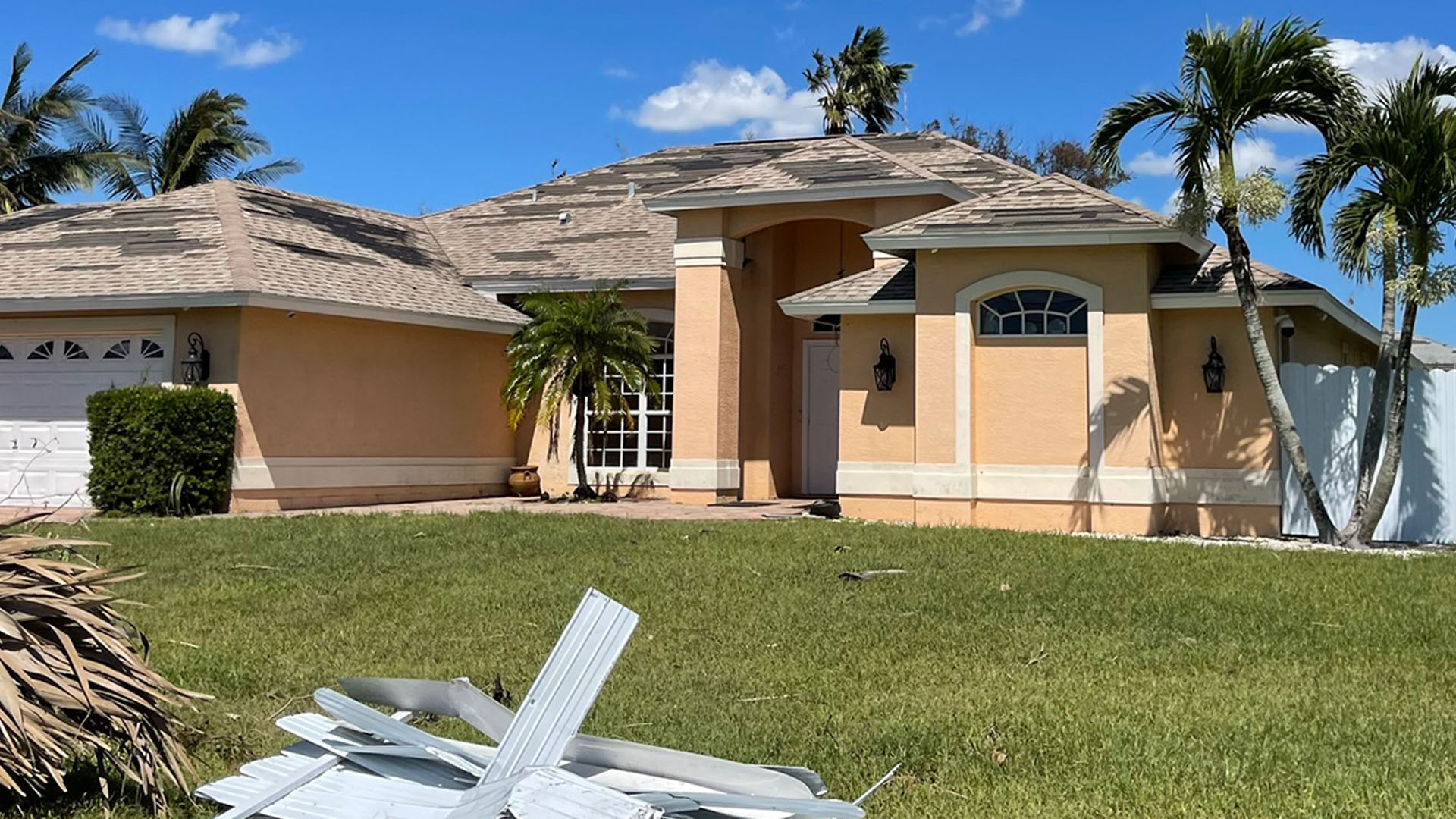
Florida Hurricane Claim Deadline: The One-Year Rule
You have one year to file a hurricane damage claim with your insurance company after a hurricane damages your property in Florida. This deadline is strictly enforced by Florida law and insurance policies, making it one of the most critical dates for homeowners to remember.
Understanding the One-Year Timeline
The one-year deadline begins from the date of the hurricane’s impact on your property, not from when you discover the damage. This distinction is crucial because some hurricane damage may not become apparent immediately after the storm passes.
Florida Statute Requirements
Florida Statute 627.70132 governs hurricane claim deadlines for residential property insurance. Under this law, insurance companies must receive your claim within one year of the date of loss. This statute applies to all types of hurricane damage, including:
- Wind damage to roofs, siding, and structures
- Water damage from storm surge or flooding
- Debris damage from fallen trees or projectiles
- Structural damage to foundations and walls
- Damage to personal property and belongings
Exceptions to the One-Year Rule
While the one-year deadline is standard, certain circumstances may extend this timeframe:
- Fraud or misrepresentation – If the insurance company committed fraud
- Catastrophic events – State-declared emergencies may extend deadlines
- Continuing damage – Ongoing damage from the same storm event
- Reopened claims – Previously filed claims that require supplemental filing
Why You Should File Your Hurricane Claim Immediately
While you have one year to file, waiting until the deadline approaches is a costly mistake that can jeopardize your entire claim. Filing early provides numerous advantages and protects you from potential complications.
Benefits of Early Filing
- Avoid processing delays – Insurance companies become overwhelmed after major hurricanes
- Preserve evidence – Damage can worsen over time, making cause determination difficult
- Secure adjuster availability – Qualified adjusters become scarce after major storms
- Prevent additional damage – Quick repairs prevent secondary damage and mold growth
- Access emergency funds – Many policies provide immediate emergency repair funds
Risks of Delaying Your Claim
Homeowners who delay filing their hurricane claims face several significant risks:
- Evidence deterioration – Weather and time can obscure the original cause of damage
- Increased scrutiny – Insurance companies question claims filed close to deadlines
- Adjuster shortage – Limited availability of qualified adjusters during peak periods
- Statute of limitations – Missing the deadline results in automatic claim denial
- Compounding damage – Unrepaired damage leads to more extensive and expensive repairs
Step-by-Step Hurricane Claim Filing Process
Immediate Steps After Hurricane Impact
- Ensure safety first – Never enter damaged structures until cleared by authorities
- Document everything – Take photos and videos of all damage immediately
- Contact your insurance company – Report the claim within 24-48 hours if possible
- Prevent further damage – Make temporary repairs to prevent additional damage
- Keep all receipts – Document all expenses related to temporary repairs and living arrangements
Required Information for Filing
When filing your hurricane claim, you’ll need to provide:
- Policy information – Policy number, coverage details, and deductible amounts
- Storm details – Date, time, and specific hurricane information
- Damage description – Detailed account of all observed damage
- Contact information – Current phone numbers and temporary addresses if displaced
- Initial documentation – Photos, videos, and written descriptions of damage
Professional Claim Filing
Consider hiring a public adjuster immediately after hurricane impact. Professional adjusters understand the filing process, deadlines, and can ensure your claim is submitted correctly and completely from the start.
Insurance Company Tactics and How to Counter Them
Common Insurance Company Tactics
Insurance companies employ various tactics to minimize payouts, especially after major hurricanes when they face thousands of claims simultaneously.
1. Unjust Claim Denial
Insurance companies may deny claims with minimal explanation, hoping homeowners will accept the denial without question. Common denial reasons include:
- Claiming damage was pre-existing
- Arguing the damage wasn’t caused by the hurricane
- Stating the damage falls under exclusions
- Claiming the claim was filed too late
2. Inaccurate Damage Estimates
Insurance adjusters working for the company may rush through inspections, especially during busy hurricane seasons. This can result in:
- Missed damage in hard-to-reach areas
- Underestimation of repair costs
- Failure to identify hidden damage
- Incorrect damage categorization
3. Claim Process Delays
Insurance companies may intentionally delay the claim process through:
- Requesting excessive documentation
- Scheduling multiple inspections
- Slow response to communications
- Requiring unnecessary expert opinions
4. Lowball Settlement Offers
Initial settlement offers are often significantly lower than actual repair costs. Insurance companies hope homeowners will accept these offers without proper evaluation.
Benefits of Hiring a Public Adjuster
Why Public Adjusters Are Essential
Public adjusters work exclusively for you, not the insurance company. They level the playing field by providing professional expertise and advocacy throughout the claims process.
Key Advantages of Public Adjusters
- Expert damage assessment – Identify all damage, including hidden issues
- Accurate repair estimates – Provide detailed, realistic repair cost estimates
- Insurance company negotiation – Handle all communications with your insurer
- Claim optimization – Ensure maximum settlement within policy limits
- Deadline management – Ensure all deadlines are met properly
- Documentation expertise – Provide professional documentation and evidence
When to Hire a Public Adjuster
Consider hiring a public adjuster immediately after hurricane impact, especially if:
- Damage is extensive or complex
- You’re unfamiliar with the claims process
- You’ve received a denial or lowball offer
- You suspect hidden damage
- You’re dealing with a difficult insurance company
Required Documentation for Hurricane Claims
Essential Documentation Checklist
- Insurance policy – Complete policy documents and declarations page
- Proof of loss forms – Detailed sworn statements about your losses
- Photo and video evidence – Before and after damage documentation
- Contractor estimates – Professional repair estimates from licensed contractors
- Receipts and invoices – All expenses related to temporary repairs and living costs
- Personal property inventory – Detailed list of damaged or destroyed items
- Professional reports – Engineering reports, mold assessments, or other expert opinions
Documentation Best Practices
- Organize chronologically – Keep documents in date order
- Create multiple copies – Digital and physical backups
- Label everything clearly – Easy identification and reference
- Track communications – Record all interactions with insurance company
- Update regularly – Add new information as it becomes available
Florida Insurance Laws and Regulations 2025
Recent Changes in Florida Insurance Law
Florida’s insurance landscape has evolved significantly in recent years, with new regulations affecting hurricane claims and homeowner rights.
Key Florida Insurance Statutes
- Florida Statute 627.70132 – Hurricane claim filing deadlines
- Florida Statute 627.7074 – Homeowner insurance claim procedures
- Florida Statute 627.428 – Attorney fees in insurance disputes
- Florida Statute 627.70131 – Hurricane deductible applications
Homeowner Protections
Florida law provides specific protections for homeowners filing hurricane claims:
- Right to independent adjuster – You can hire your own adjuster
- Right to contractor estimates – Insurance companies must consider your contractor estimates
- Right to prompt payment – Claims must be paid within specific timeframes
- Right to appeal – Denied claims can be appealed through various channels
Common Hurricane Claim Filing Mistakes
Critical Mistakes to Avoid
- Waiting too long to file – Filing close to the one-year deadline
- Insufficient documentation – Failing to document all damage thoroughly
- Accepting the first offer – Not negotiating or evaluating settlement offers
- Making unauthorized repairs – Completing permanent repairs before insurance approval
- Not reading the policy – Failing to understand coverage and exclusions
- Dealing directly with insurance companies – Navigating complex claims without professional help
How to Avoid These Mistakes
- File immediately – Contact your insurance company within 24-48 hours
- Document everything – Take extensive photos and videos
- Get professional help – Hire a public adjuster for complex claims
- Keep detailed records – Track all communications and expenses
- Review your policy – Understand your coverage before you need it
What to Do If Your Hurricane Claim Is Denied
Understanding Claim Denials
Hurricane claim denials are unfortunately common, but they’re not always final. Understanding why claims are denied and how to respond is crucial for protecting your rights.
Common Reasons for Claim Denials
- Late filing – Missing the one-year deadline
- Policy exclusions – Damage claimed to be excluded from coverage
- Pre-existing damage – Insurance company claims damage existed before the hurricane
- Insufficient evidence – Lack of documentation proving hurricane caused damage
- Coverage disputes – Disagreements about what is covered under the policy
Steps to Take After Denial
- Review the denial letter carefully – Understand the specific reasons for denial
- Gather additional evidence – Collect more documentation to support your claim
- File an appeal – Request reconsideration from the insurance company
- Consider mediation – Use alternative dispute resolution methods
- Consult legal counsel – Speak with an attorney specializing in insurance law
- File a complaint – Contact the Florida Department of Financial Services
Your Legal Rights as a Florida Homeowner
Fundamental Rights
Florida homeowners have specific legal rights when dealing with hurricane insurance claims:
- Right to fair treatment – Insurance companies must handle claims in good faith
- Right to prompt service – Claims must be processed within legal timeframes
- Right to full disclosure – Insurance companies must explain coverage and exclusions
- Right to representation – You can hire professionals to represent your interests
- Right to appeal – Denied claims can be challenged through various channels
When to Seek Legal Help
Consider consulting with an attorney if:
- Your claim is wrongfully denied
- The insurance company is acting in bad faith
- Settlement offers are unreasonably low
- The insurance company is delaying your claim unreasonably
- You’re facing complex legal issues
Frequently Asked Questions
Q: What exactly is the deadline for filing a hurricane claim in Florida?
A: You have exactly one year from the date of the hurricane to file your claim with your insurance company. This deadline is strictly enforced under Florida law, and missing it will result in automatic claim denial regardless of the severity of your damage.
Q: Can I file a claim if I discover damage months after the hurricane?
A: Yes, as long as you file within the one-year deadline from the date of the hurricane. Hidden damage that becomes apparent later is still covered under your original claim period, but you must prove the damage was caused by the hurricane.
Q: What happens if I miss the one-year deadline?
A: Missing the one-year deadline typically results in automatic claim denial. However, there are rare exceptions for fraud by the insurance company, continuing damage, or state-declared emergencies that may extend deadlines.
Q: Should I file a claim immediately even if the damage seems minor?
A: Yes, it’s always better to file early. Minor damage can sometimes be more extensive than initially apparent, and early filing protects your rights. You can always withdraw a claim if it turns out to be unnecessary.
Q: Can I reopen a hurricane claim after it’s been settled?
A: Reopening a settled claim is extremely difficult and usually only possible if you discover significant additional damage that was directly caused by the same hurricane and wasn’t included in the original settlement.
Q: Do I need a public adjuster for every hurricane claim?
A: While not required, public adjusters are highly recommended for significant damage or complex claims. They can often secure higher settlements and handle the entire process for you, reducing stress and ensuring proper documentation.
Q: What if my insurance company doesn’t respond to my claim filing?
A: Insurance companies are required to acknowledge receipt of your claim within specific timeframes. If they don’t respond, document your filing attempts and contact the Florida Department of Financial Services to file a complaint.
Q: Can I file a claim for damage that gets worse over time?
A: Yes, if the worsening damage is a direct result of the original hurricane damage. For example, a small roof leak that leads to structural damage would be covered under your original claim if filed within the one-year deadline.
Q: What documentation do I need to file a hurricane claim?
A: Essential documentation includes your insurance policy, photos/videos of damage, proof of loss forms, contractor estimates, receipts for temporary repairs, and any professional reports. The more documentation you have, the stronger your claim.
Q: How long does the insurance company have to respond to my claim?
A: Under Florida law, insurance companies must acknowledge receipt of your claim within 14 days and begin investigation within 30 days. They must also provide written notice of coverage decisions within 90 days of receiving all required documentation.
Q: Can I hire a contractor before my claim is approved?
A: You can hire contractors for emergency repairs to prevent further damage, but avoid permanent repairs until your claim is approved. Keep all receipts for emergency repairs as they’re typically covered under most policies.
Q: What if my insurance company offers a settlement that’s too low?
A: You don’t have to accept the first offer. You can negotiate, provide additional documentation, hire a public adjuster, or seek legal counsel. Many initial offers are significantly lower than what you’re entitled to receive.
Protecting Your Rights: Take Action Today
Understanding Florida’s hurricane claim deadlines and filing requirements is essential for protecting your property and financial interests. The one-year deadline is non-negotiable, making early action crucial for successful claim resolution.
Remember that insurance companies are businesses focused on minimizing payouts. Having professional representation levels the playing field and ensures you receive the compensation you deserve under your policy.
Don’t wait until it’s too late. If you’ve experienced hurricane damage, file your claim immediately and consider professional help to navigate the complex insurance process.
For experienced hurricane damage claim assistance, contact Triumph Consulting at 954-592-7162 or visit WeGetYouPaid.com. Our team of experienced Florida public adjusters will fight for your rights and help you get the maximum compensation for your hurricane damage claim.
Need help with a claim? Contact our team today.