
NOAA 2025 Hurricane Season Forecast: Above-Normal Activity Predicted for Florida with 13-19 Named Storms
The National Oceanic and Atmospheric Administration (NOAA) has released its official Atlantic 2025 hurricane season forecast, predicting above-normal activity that could significantly impact Florida and the entire Atlantic basin. NOAA forecasts 13-19 named storms for 2025, with 6-10 expected to become hurricanes and 3-5 developing into major hurricanes (Category 3 or stronger with winds of 111+ mph).
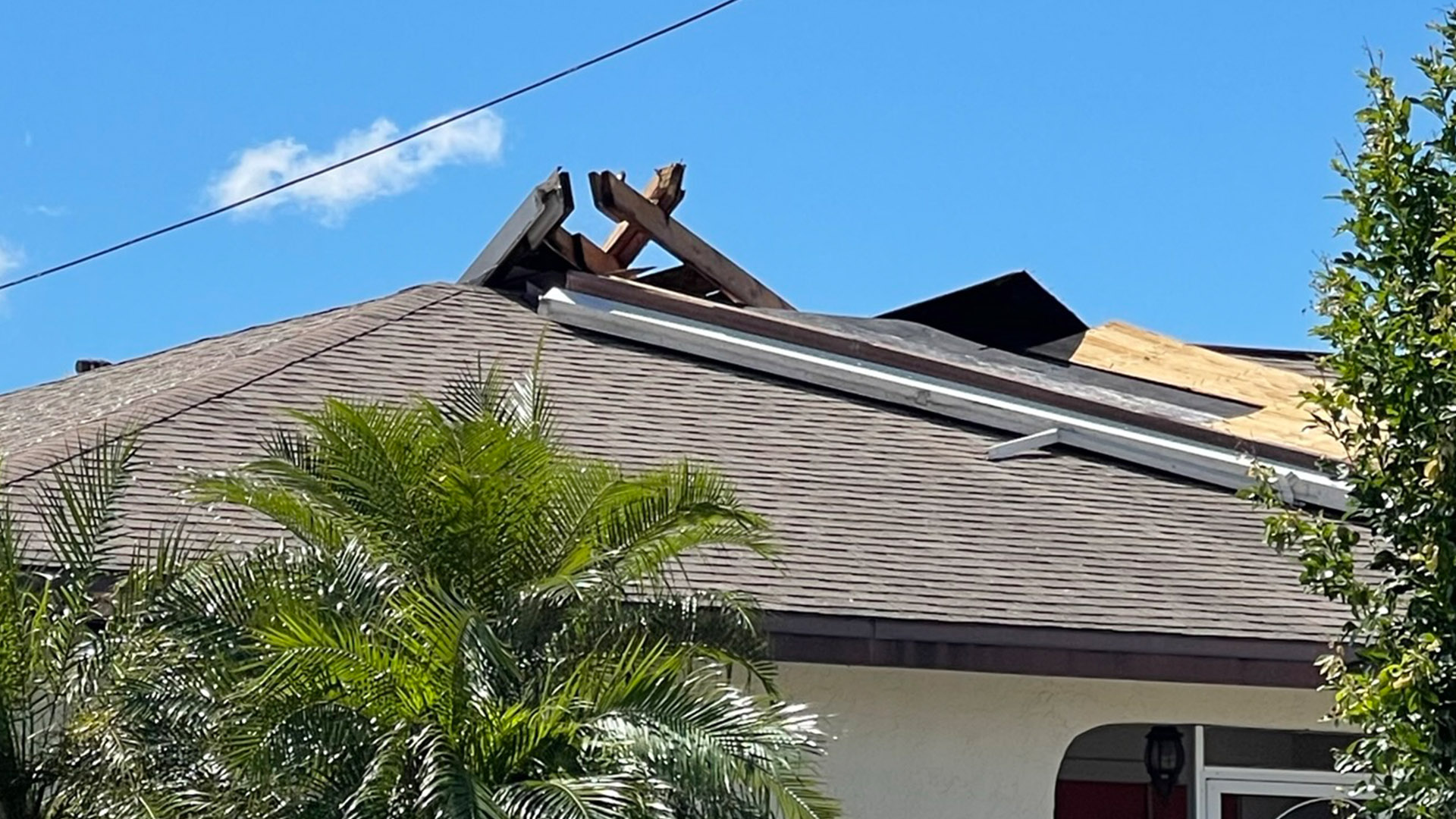
NOAA’s Official 2025 Hurricane Season Predictions
Key Forecast Numbers for 2025
NOAA’s 2025 Atlantic hurricane season outlook predicts a 60% chance of an above-normal season, 30% chance of a near-normal season, and only a 10% chance of a below-normal season. This represents a significant probability of increased hurricane activity affecting the entire Atlantic region, including Florida.
Detailed 2025 Forecast Breakdown:
- 13-19 Named Storms – Tropical systems with sustained winds of 39+ mph
- 6-10 Hurricanes – Storms reaching sustained winds of 74+ mph
- 3-5 Major Hurricanes – Category 3, 4, or 5 storms with winds of 111+ mph
- 70% Confidence Level – NOAA expresses high confidence in these ranges
Comparison to Historical Averages
To put these numbers in perspective, the historical average Atlantic hurricane season (1991-2020) typically produces:
- 14 named storms
- 7 hurricanes
- 3 major hurricanes
The 2025 forecast represents activity potentially reaching or exceeding these averages, with the upper range significantly above normal levels.
Other Meteorological Forecasts
AccuWeather predicts 13-18 named storms with 7-10 hurricanes, while Colorado State University forecasts 17 named storms with 9 hurricanes and 4 major hurricanes. These independent forecasts align closely with NOAA’s predictions, reinforcing expectations of an active season.
Florida-Specific Hurricane Impact Expectations for 2025
Historical Florida Hurricane Risk
Florida remains the most hurricane-prone state in the United States, with its extensive coastline along both the Atlantic Ocean and Gulf of Mexico making it particularly vulnerable. The state’s geography creates multiple potential impact zones:
- Southeast Florida – Miami-Dade, Broward, and Palm Beach counties face Atlantic hurricane threats
- Southwest Florida – Collier, Lee, and Charlotte counties vulnerable to Gulf storms
- Big Bend Region – Taylor, Dixie, and Levy counties at risk from Gulf hurricanes
- Central Florida – Inland areas still face significant wind and flooding risks
2025 Florida Risk Assessment
Forecasters specifically highlight concern for “the northern Gulf Coast, the Big Bend of Florida, and the west coast of Florida” as areas of particular vulnerability for the 2025 season. This geographic focus suggests increased attention needed for Florida’s Gulf Coast communities.
Economic Impact Considerations
With Florida’s booming population and extensive coastal development, even a single major hurricane can cause billions in damage. The 2025 forecast suggests multiple potential impacts, making comprehensive preparation essential for both residential and commercial properties throughout the state.
Climate Factors Driving 2025 Hurricane Activity
ENSO Neutral Conditions
The 2025 season is occurring during ENSO-neutral conditions, meaning neither El Niño nor La Niña patterns are dominant. This neutrality creates uncertainty but historically can support active hurricane seasons when other favorable conditions exist.
Understanding ENSO Impact:
- El Niño – Typically suppresses Atlantic hurricane activity through increased wind shear
- La Niña – Generally promotes hurricane development by reducing wind shear
- Neutral Phase – Creates variable conditions dependent on other atmospheric factors
Atlantic Ocean Temperature Conditions
While Atlantic waters remain above long-term averages, they are running approximately 2 degrees Fahrenheit cooler than 2024 levels in key development regions. However, these temperatures still provide sufficient energy for hurricane development and intensification.
Wind Shear Patterns
Forecasters expect generally favorable wind shear patterns for 2025, meaning less disruption to tropical storm development. Lower wind shear allows storms to maintain their structure and intensify more readily.
West African Monsoon Activity
The potential for higher storm activity from the West African Monsoon contributes to the active season forecast, as most Atlantic hurricanes originate from tropical waves emerging from the African coast.
Comprehensive Hurricane Preparation Guide for 2025
Why Early Preparation Matters
With NOAA predicting above-normal activity, waiting until a Hurricane Watch or Warning is issued puts you at a significant disadvantage. Preparation should begin now, well before any storms threaten Florida.
Timeline for Hurricane Preparation
- Now through May – Review insurance, create plans, gather supplies
- June-July – Update emergency kits, trim trees, inspect property
- August-October – Peak season readiness, monitor forecasts actively
- 72 hours before impact – Final preparations, evacuate if ordered
- 24 hours before impact – Complete all outdoor preparations
Essential Preparation Categories
Effective hurricane preparation involves multiple interconnected components that work together to protect your family and property.
Insurance and Documentation Strategies
Review Your Insurance Policy Now
With an active season predicted, reviewing your homeowner’s insurance policy before hurricane threats emerge is crucial. Key areas to examine include:
- Hurricane deductibles – Understand your specific deductible amounts
- Coverage limits – Ensure adequate coverage for rebuilding costs
- Flood insurance – Most homeowner’s policies exclude flood damage
- Additional living expenses – Coverage for temporary housing during repairs
- Personal property coverage – Protection for belongings and furnishings
Pre-Hurricane Documentation
Creating comprehensive property documentation before hurricane season provides crucial evidence for insurance claims:
Essential Documentation Steps:
- Photograph your entire property – Interior and exterior from multiple angles
- Focus on your roof – Most hurricane damage involves roofing systems
- Document personal belongings – Create detailed inventory with photos
- Record serial numbers – Electronics, appliances, and valuable items
- Store documentation safely – Cloud storage and physical copies off-site
Why Roof Documentation Is Critical
Roof damage represents the most common and expensive hurricane-related insurance claim. Pre-storm roof documentation creates powerful evidence that eliminates disputes about pre-existing conditions, especially important for tile roofs common in Florida.
Policy Changes and Deadlines
If you need to make changes to your insurance policy, act immediately. Most companies require 30-day waiting periods for policy modifications, and some may stop accepting changes during active hurricane threats.
Emergency Supply Checklist for 2025 Hurricane Season
Basic Survival Supplies
With predictions of an active season, ensuring adequate emergency supplies becomes even more critical. Plan for potential extended power outages and supply chain disruptions.
Water and Food (14-day supply recommended):
- Water – 1 gallon per person per day
- Non-perishable food – Canned goods, dried foods, energy bars
- Manual can opener – Essential for accessing canned foods
- Coolers and ice – Preserve food during power outages
- Portable camp stove – Alternative cooking method
Medical and Personal Care:
- Prescription medications – 30-day supply minimum
- First aid kit – Comprehensive medical supplies
- Personal hygiene items – Toothbrushes, soap, feminine products
- Baby supplies – Diapers, formula, medications if applicable
- Pet supplies – Food, medications, carriers, leashes
Power and Communication:
- Battery-powered radio – Weather updates during outages
- Flashlights – Multiple units with extra batteries
- Portable phone chargers – Solar or battery-powered options
- Generator – Properly sized and maintained with fuel
- Extension cords – Heavy-duty outdoor-rated cords
Emergency Repair Supplies
The 2025 forecast suggests potential for multiple storm impacts, making emergency repair capabilities essential:
- Tarps – Various sizes for temporary roof coverage
- Plastic sheeting – Window and opening protection
- Plywood sheets – Pre-cut for windows and doors
- Tool kit – Hammer, screwdrivers, utility knife, measuring tape
- Fasteners – Screws, nails, rope, duct tape
- Work gloves – Protection during cleanup activities
Property Protection Strategies for Active Hurricane Season
Exterior Property Preparation
With above-normal activity predicted, securing your property’s exterior becomes critical for minimizing damage potential.
Landscaping and Outdoor Items:
- Tree trimming – Remove dead branches and thin canopies
- Secure outdoor furniture – Store or anchor all moveable items
- Remove decorative elements – Garden ornaments, potted plants, decorations
- Check drainage – Clear gutters, drains, and storm water systems
- Fence inspection – Repair loose panels and posts
Window and Door Protection:
- Install hurricane shutters – Permanent or removable systems
- Board up windows – 5/8-inch plywood minimum thickness
- Reinforce doors – Additional bolts and bracing
- Garage door bracing – Critical weak point in many homes
- Sliding door protection – Panels or shutters for large openings
Roof and Structural Considerations
Given roof damage represents the most common hurricane impact, preventive measures can significantly reduce damage potential:
- Professional roof inspection – Identify and repair weak points
- Secure loose tiles or shingles – Prevent wind uplift
- Clear roof debris – Remove leaves, branches, and obstructions
- Check flashing and seals – Around chimneys, vents, and penetrations
- Inspect attic space – Ensure proper bracing and ventilation
Pool and Outdoor Structure Protection
Florida’s extensive pool infrastructure requires specific hurricane preparation:
- Pool screen enclosures – Remove panels or entire structures if threatened
- Pool equipment – Secure pumps, heaters, and electrical components
- Water level management – Slightly lower water levels before storms
- Pool chemicals – Secure or relocate chemical storage
- Outdoor kitchens – Protect appliances and gas connections
Evacuation Planning and Zone Awareness
Understanding Florida Evacuation Zones
With an active hurricane season predicted, understanding your evacuation zone and requirements becomes essential for life safety.
Florida Evacuation Zone Categories:
- Zone A – Immediate evacuation for any hurricane
- Zone B – Evacuation for Category 2+ hurricanes
- Zone C – Evacuation for Category 3+ hurricanes
- Zone D – Evacuation for Category 4+ hurricanes
- Zone E – Evacuation for Category 5 hurricanes
Creating Your Evacuation Plan
Develop a comprehensive evacuation plan that addresses multiple scenarios and family needs:
Essential Plan Components:
- Know your zone – Verify your specific evacuation zone designation
- Multiple routes – Plan primary and alternate evacuation routes
- Destination planning – Identify specific shelters or safe locations
- Family communication – Establish contact methods and meeting points
- Pet accommodations – Research pet-friendly shelters and hotels
- Important documents – Gather and protect essential paperwork
Evacuation Timing
With multiple storms possible in 2025, understanding evacuation timing becomes critical:
- Hurricane Watch – Begin evacuation preparations
- Hurricane Warning – Complete evacuation if in mandatory zones
- 48 hours before landfall – Last safe time to travel
- 24 hours before landfall – Dangerous to travel
Hurricane Tracking Technology Improvements for 2025
NOAA’s Enhanced Forecasting Capabilities
NOAA’s Hurricane Analysis and Forecast System (HAFS) has been upgraded for the 2025 season, expected to result in another 5% improvement in tracking and intensity forecasts. These improvements provide more accurate predictions for better preparation decisions.
Extended Warning Timeframes
NOAA’s National Hurricane Center can now issue tropical cyclone advisory products up to 72 hours before the arrival of storm surge or tropical-storm-force winds, providing communities with additional preparation time.
Improved Global Outlook
NOAA’s Global Tropical Hazards Outlook has been extended from two weeks to three weeks, offering better advance notice of potential tropical cyclone development.
Technology Tools for Homeowners
Take advantage of available technology for better hurricane preparedness:
- NOAA Weather Radio – Direct access to National Weather Service alerts
- Hurricane tracking apps – Real-time storm positions and forecasts
- Emergency alert systems – Local government warning systems
- Social media monitoring – Official emergency management accounts
- Weather websites – Professional meteorological resources
Post-Storm Recovery Planning
Immediate Post-Hurricane Actions
With multiple potential impacts predicted for 2025, having a clear post-storm action plan accelerates recovery:
Safety First Protocol:
- Wait for all-clear – Don’t venture out until officially safe
- Check for injuries – Provide first aid as needed
- Inspect for hazards – Gas leaks, electrical damage, structural issues
- Document everything – Photograph all damage immediately
- Contact insurance – Report claims as soon as possible
Insurance Claim Process
Understanding the claims process before hurricane season helps ensure faster, more complete settlements:
- Report immediately – Contact insurance company within 24-48 hours
- Document thoroughly – Photos, videos, and written descriptions
- Prevent further damage – Make temporary repairs to stop additional damage
- Keep all receipts – Document all expenses related to damage
- Consider professional help – Public adjusters for complex claims
Professional Recovery Assistance
Given the predicted active season, consider identifying recovery professionals before you need them:
- Public adjusters – Professional claim representation
- Licensed contractors – Verify licensing and insurance
- Restoration companies – Water damage and mold remediation
- Tree services – Safe removal of damaged trees
- Temporary services – Tarping, boarding, and emergency repairs
Expert Recommendations for 2025 Hurricane Season
Meteorological Expert Insights
AccuWeather’s Lead Hurricane Expert Alex DaSilva warns of “volatile hurricanes” with the potential for rapid intensification leading up to landfall. This emphasizes the importance of not underestimating storms based on their initial intensity.
Emergency Management Recommendations
NOAA’s National Weather Service Director Ken Graham advises: “This outlook is a call to action: Be prepared. Take proactive steps now to make a plan”. This official guidance emphasizes immediate preparation rather than waiting for storm threats.
Insurance Industry Guidance
Insurance professionals recommend several key actions for the 2025 season:
- Review policies now – Don’t wait until storms threaten
- Understand deductibles – Hurricane deductibles often differ from standard deductibles
- Document everything – Pre-storm documentation is crucial
- Consider flood insurance – Most homeowner’s policies exclude flood damage
- Maintain contact information – Ensure insurance companies can reach you
Public Safety Recommendations
Emergency management officials stress several critical points for 2025:
- Don’t become complacent – Active seasons require sustained vigilance
- Prepare for multiple events – One storm doesn’t mean the season is over
- Stay informed – Monitor forecasts throughout the season
- Help your community – Check on neighbors, especially elderly or disabled residents
- Practice your plan – Regular drills help ensure effective execution
Frequently Asked Questions About 2025 Hurricane Season
Q: How does NOAA’s 2025 forecast compare to recent years?
A: NOAA’s 2025 forecast predicts above-normal activity with 13-19 named storms, which is higher than the long-term average but lower than the extremely active 2020 season (30 named storms) and 2024 season (18 named storms). The forecast suggests a busy but not record-breaking season.
Q: What does “above-normal” hurricane activity mean for Florida residents?
A: Above-normal activity means a higher probability of hurricane impacts affecting Florida. While it doesn’t guarantee any specific location will be hit, it increases the overall risk and emphasizes the importance of thorough preparation for all Florida residents.
Q: When should Florida residents begin hurricane preparations?
A: Preparation should begin immediately, well before any storms threaten. June through early August is ideal for major preparation activities like reviewing insurance, gathering supplies, and creating evacuation plans. Don’t wait until storms are forecast to begin preparing.
Q: How accurate are long-range hurricane forecasts?
A: Seasonal forecasts have improved significantly over the years. NOAA’s seasonal forecasts are generally accurate in predicting overall activity levels (above/below normal), but they cannot predict specific storm paths or timing. The 70% confidence level indicates strong scientific backing for the general forecast.
Q: Should I evacuate for every hurricane if I live in an evacuation zone?
A: Evacuation decisions depend on your specific zone and the storm’s characteristics. Zone A residents should evacuate for any hurricane, while other zones evacuate based on storm category. Always follow local emergency management guidance rather than making independent decisions.
Q: What’s the difference between hurricane watches and warnings?
A: A Hurricane Watch means hurricane conditions are possible within 48 hours, while a Hurricane Warning means hurricane conditions are expected within 36 hours. Watches are for preparation, warnings are for final preparations and evacuation if required.
Q: How has hurricane forecasting technology improved for 2025?
A: NOAA has upgraded its Hurricane Analysis and Forecast System (HAFS) for 2025, providing 5% better accuracy in tracking and intensity forecasts. They can now issue warnings up to 72 hours in advance and have extended tropical hazard outlooks from two to three weeks.
Q: What should I do if my homeowner’s insurance doesn’t cover flood damage?
A: Purchase separate flood insurance through the National Flood Insurance Program (NFIP) or private insurers. Flood insurance typically requires a 30-day waiting period, so don’t wait until storms threaten. Even areas outside flood zones can experience flooding during hurricanes.
Q: How do I know if I’m in an evacuation zone?
A: Check your county’s emergency management website or use Florida’s evacuation zone mapping tools. Your zone designation may change as communities update their risk assessments, so verify your status annually before hurricane season begins.
Q: What’s the most important thing I can do to prepare for the 2025 hurricane season?
A: Create and practice a comprehensive family emergency plan that includes evacuation routes, communication strategies, and supply lists. Having a plan and supplies ready before any storms threaten is the single most important preparation step you can take.
Q: Should I install a generator for the 2025 hurricane season?
A: Generators can be valuable for extended power outages, but they must be properly sized, installed, and maintained. Never operate generators indoors or in enclosed spaces due to carbon monoxide risks. Consider professional installation and maintenance for safety.
Q: How do I protect my roof from hurricane damage?
A: Regular maintenance is key –